Odisha News, Odisha Latest news, Odisha Daily - OrissaPOST
  • Home
  • Trending
  • State
  • Metro
  • National
  • International
  • Business
  • Feature
  • Entertainment
  • Sports
  • More..
    • Odisha Special
    • Editorial
    • Opinion
    • Careers
    • Sci-Tech
    • Timeout
    • Horoscope
    • Today’s Pic
  • Video
  • Epaper
  • News in Odia
  • Home
  • Trending
  • State
  • Metro
  • National
  • International
  • Business
  • Feature
  • Entertainment
  • Sports
  • More..
    • Odisha Special
    • Editorial
    • Opinion
    • Careers
    • Sci-Tech
    • Timeout
    • Horoscope
    • Today’s Pic
  • Video
  • Epaper
  • News in Odia
No Result
View All Result
OrissaPOST - Odisha Latest news, English Daily -
No Result
View All Result

Rethinking Odisha’s migration economy

Updated: September 3rd, 2026, 07:42 IST
in Opinion
0
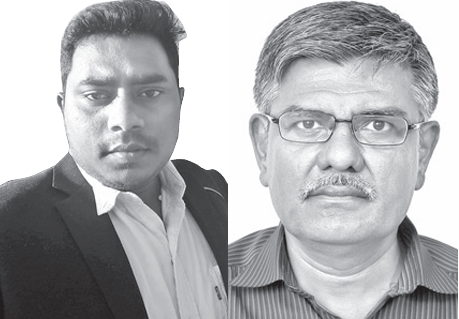
Madhusudan Nag & S. Irudaya Rajan
Share on FacebookShare on TwitterShare on WhatsAppShare on Linkedin

Onam and Nuakhai celebrate harvest and homecoming. For many households, however, these occasions are sustained by distant earnings: historically from overseas in Kerala, but from factories and construction sites elsewhere in India for Odisha. Yet the migration economies differ. Kerala relies more on international migration and higher-value remittances; Odisha on internal, circular and often informal mobility. Kerala’s migration is neither a model to praise nor a template to replicate. Its experience reveals both remittance gains and the vulnerabilities of dependence.

The Kerala Migration Survey 2023 estimated 2.2 million emigrants and remittances of ₹2.17 lakh crore, equivalent to 23.2% of net State Domestic Product. The Odisha Migration Survey 2023 estimated 2.82 million current migrants and 0.74 million return migrants. About 40% moved within Odisha, 58% to another state, and fewer than 2% abroad. Odisha therefore has a substantial migration economy, but of a different kind.


Also Read

Brahma Chellaney

AN UPSTREAM WATER BOMB

1 day ago
Melvin Durai

Sleeping in on weekends: Good for you

1 day ago

The Reserve Bank of India estimated Kerala’s share of India’s inward remittances in 2023-24 at 19.7%, against Odisha’s 0.6%. This comparison measures cross-border transfers and largely misses Odisha’s domestic remittances, dispersed across bank accounts, digital payments and cash carried home. A flow visible in village consumption, housing and debt repayment remains poorly represented in state-level economic analysis.

Migration’s development value turns on three margins. The access margin asks who can reach a safer, better-paid corridor. Education, finance, information and networks matter; the poorest are often confined to costly contractor-mediated migration. Caste, tribal status and climate exposure influence not only whether people move, but the quality of mobility available to them.

The net-return margin asks what workers retain. The relevant gain is not the destination wage, but the wage advantage over the best feasible job at home after recruitment fees, debt interest, travel, housing, unpaid wages, injury risk and family-care costs. Gross remittances can increase even when the migrant’s net mobility premium remains modest.

The conversion margin concerns what remittances become. They are private household income, not public revenue or production. Their developmental effect depends on whether they improve nutrition, education, health, debt reduction, assets and bargaining power. Their local multiplier is larger when local enterprises can meet the additional demand; otherwise much of the spending leaks outside the regional economy.

Kerala’s mixed balance sheet illustrates these margins. Earlier investment in education and health helped workers enter better-paid labour markets; migrant networks and institutions reduced information and protection costs. Remittances financed consumption, housing and services. Yet external earnings remain exposed to immigration rules and geopolitical shocks. Inflows can stimulate land and construction without comparable growth in tradable production; family separation produces care deficits; and returnees may struggle to use acquired skills. Remittance prosperity and structural vulnerability can coexist.

Odisha’s economic question is therefore not how to reproduce Kerala’s international migration, but how to raise returns from mobility already occurring while expanding work at home. Migration and industrialisation need not be opposites. Skills acquired for fabrication, logistics, food processing, hospitality, care and renewable energy can serve both destination labour markets and Odisha’s own industries, if the local economy can absorb returning skills and savings.

A Migration and Remittance Account could measure domestic transfers, migration costs, retained earnings and household uses across districts and corridors. Skills and recruitment programmes, including DALKHAI, should then be judged by whether they reduce costs, increase net returns and widen workers’ choices—not merely by registrations or certificates. A modest share of mineral revenue could finance this infrastructure, converting exhaustible rents into durable human capability. This is not a subsidy for leaving; it improves returns whether a worker stays, moves or returns.

Between Onam and Nuakhai, the useful comparison is not the size of two remittance flows, but how each reshapes economic choice. Odisha can draw on Kerala’s gains and warnings while following its own path: making migration less unequal and making staying home a genuine choice rather than an enforced necessity.

Madhusudan Nag is a Postdoctoral Fellow in the School of Economic Development at the Indian Institute for Human Settlements, Bengaluru. S. Irudaya Rajan is Chair, International Institute of Migration and Development, Thiruvananthapuram.


Orissa POST – Odisha’s No.1 English Daily
Tags: Nuakhai
ShareTweetSendShare
Suggest A Correction

Enter your email to get our daily news in your inbox.


OrissaPOST epaper Sunday POST OrissaPOST epaper

Click Here: Plastic Free Odisha

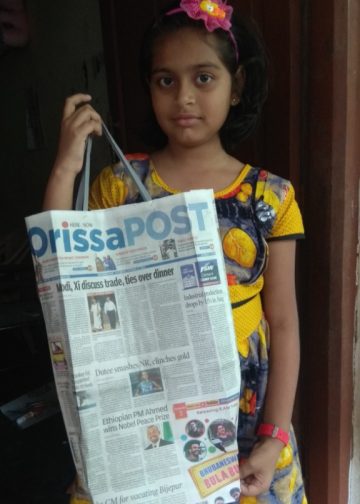
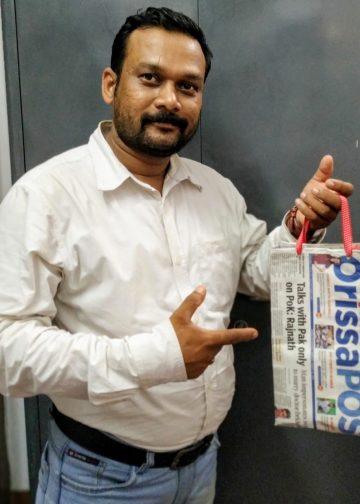
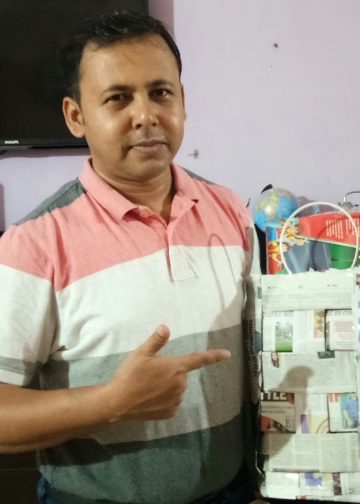
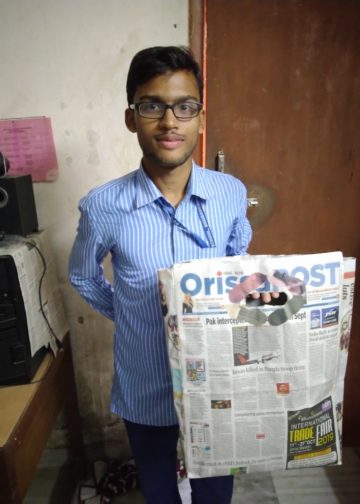
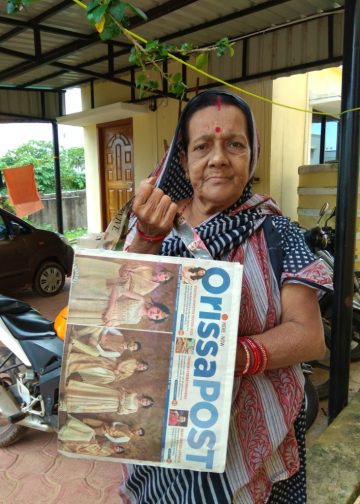
#MyPaperBagChallenge

Praptimayee Biswal

December 12, 2019
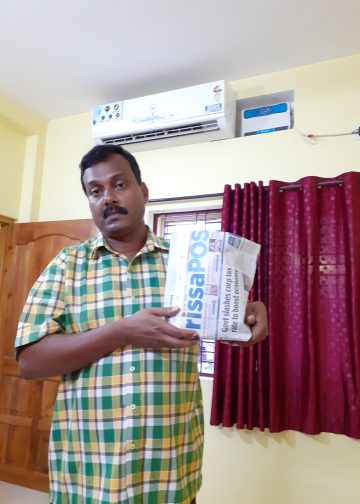
#MyPaperBagChallenge

Ankita Balabantray

December 12, 2019
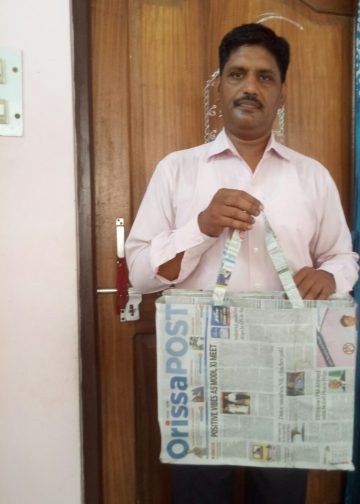
#MyPaperBagChallenge

Adrita Bhattacharya

December 12, 2019
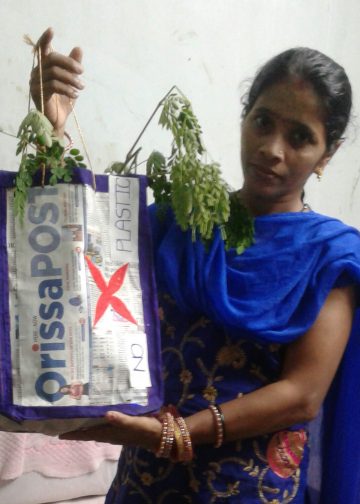
#MyPaperBagChallenge

Anup Mahapatra

December 12, 2019
#MyPaperBagChallenge

Rajashree Pravati Mohanty

December 12, 2019
#MyPaperBagChallenge

Anasuya Sahoo

December 12, 2019
#MyPaperBagChallenge

Pitabas Tripathy

December 12, 2019
#MyPaperBagChallenge

Tapaswini Mallick

December 12, 2019
#MyPaperBagChallenge

Adweeti Bhattacharya

December 12, 2019
#MyPaperBagChallenge

Swarit Praharaj

December 12, 2019
#MyPaperBagChallenge

Archit Mohapatra

December 12, 2019
#MyPaperBagChallenge

Debasis Mohanty

December 12, 2019
#MyPaperBagChallenge

Adyasha Priyadarsani Sendha

December 12, 2019
#MyPaperBagChallenge

Vandana Singh

December 12, 2019
#MyPaperBagChallenge

Sarmistha Nayak

December 12, 2019
#MyPaperBagChallenge

Geetanjali Patro

December 12, 2019
#MyPaperBagChallenge

Manas Samanta

December 12, 2019
#MyPaperBagChallenge

Archana Parida

December 12, 2019
#MyPaperBagChallenge

Akshaya Kumar Dash

December 12, 2019
?????????????????????????????????????????????????????????????????????????????????????????????????????????????????????????????????
#MyPaperBagChallenge

Dibya Ranjan Das

December 12, 2019
#MyPaperBagChallenge

Tabish Maaz

December 12, 2019
#MyPaperBagChallenge

Sarfraz Ahmad

December 12, 2019
#MyPaperBagChallenge

Subhajyoti Mohanty

December 12, 2019
#MyPaperBagChallenge

Sipra Mishra

December 12, 2019
#MyPaperBagChallenge

Spinoj Pattnaik

December 12, 2019
#MyPaperBagChallenge

Pragyan Priyambada

December 12, 2019
#MyPaperBagChallenge

Anshuman Sahoo

December 12, 2019
#MyPaperBagChallenge

Parbati Mohanty

December 12, 2019
#MyPaperBagChallenge

Lopali Pattnaik

December 12, 2019
#MyPaperBagChallenge

Kamana Singh

December 12, 2019

Archives

Editorial

Battle for Books

September 2, 2026

Banning books by governments does not surprise much since this has been going on across the world since long. But...

Read moreDetails

Racism Slur

CERD
September 1, 2026

The UN Committee on the Elimination of Racial Discrimination (CERD) in its latest report released recently has castigated India for...

Read moreDetails

Himalayan Blunders

August 31, 2026

Climate justice should become one of the most important points when discussing climate change. The harsh reality of human-induced climate...

Read moreDetails

The New India

Aakar Patel
August 30, 2026

A foreign outlet interviewed me this week and at the end of it, after we had wrapped up, the interviewer...

Read moreDetails
  • Home
  • State
  • Metro
  • National
  • International
  • Business
  • Editorial
  • Opinion
  • Sports
  • About Us
  • Advertise
  • Contact Us
  • Jobs
Developed By Ratna Technology

© 2025 All rights Reserved by OrissaPOST

  • News in Odia
  • Orissa POST Epaper
  • Video
  • Home
  • Trending
  • Metro
  • State
  • Odisha Special
  • National
  • International
  • Sports
  • Business
  • Editorial
  • Entertainment
  • Horoscope
  • Careers
  • Feature
  • Today’s Pic
  • Opinion
  • Sci-Tech
  • About Us
  • Contact Us
  • Jobs

© 2025 All rights Reserved by OrissaPOST

    • News in Odia
    • Orissa POST Epaper
    • Video
    • Home
    • Trending
    • Metro
    • State
    • Odisha Special
    • National
    • International
    • Sports
    • Business
    • Editorial
    • Entertainment
    • Horoscope
    • Careers
    • Feature
    • Today’s Pic
    • Opinion
    • Sci-Tech
    • About Us
    • Contact Us
    • Jobs

    © 2025 All rights Reserved by OrissaPOST