By Arindam Ganguly, OP
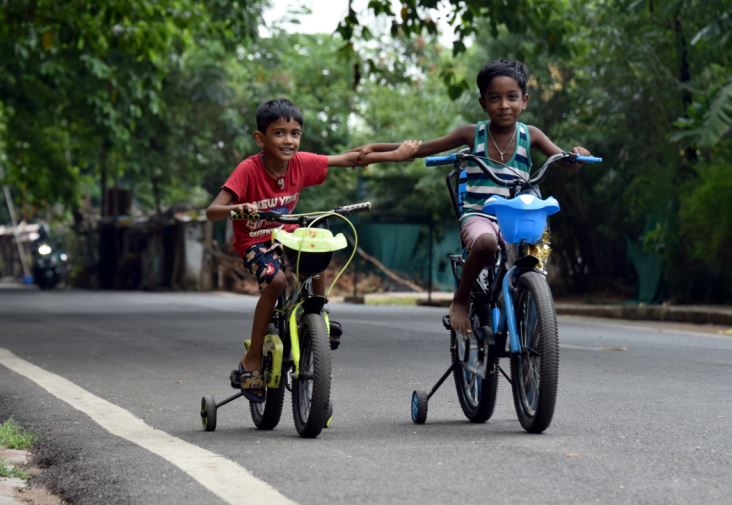
Bhubaneswar: As traffic congestion worsens and fuel prices continue to climb, World Bicycle Day June 3 has renewed attention on cycling as an affordable, sustainable and practical mode of urban transport in Bhubaneswar.


With growing concerns over air pollution, climate change and rising commuting costs, the bicycle is increasingly being viewed as more than just a recreational tool. The occasion has also revived a key question for the City: Can Bhubaneswar encourage more residents to swap fuel-powered vehicles for bicycles and make cycling a mainstream mode of commuting?
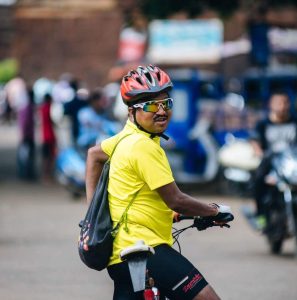 According to urban planner and Bicycle Mayor of Bhubaneswar, Piyush Ranjan Rout, the answer is a clear yes. He believes cycling can help build healthier and more equitable cities while reducing dependence on fossil fuels.
“Safe infrastructure for walking and cycling improves public health and mobility, particularly for lower-income residents who cannot afford private vehicles,” he says. “Cycling lowers the risk of heart disease, stroke, diabetes and other lifestyle-related illnesses while contributing to cleaner air and healthier communities,” he adds.
Rout also points to the growing urban heat island effect in Bhubaneswar, where concrete structures, asphalt roads and vehicle emissions trap heat, making parts of the City significantly warmer than surrounding areas.
“Rather than treating extreme temperatures as a barrier to cycling, he advocates investments in tree-lined streets, shaded cycling tracks and greener public spaces,” he says.
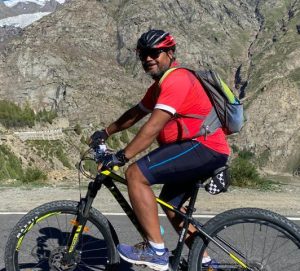 Echoing the sentiment, Santosh Kumar Rout of the Bhubaneswar Cycling and Adventure Club says cycling should no longer be viewed merely as a fitness activity.
“Every kilometre cycled saves fuel, reduces pollution, eases congestion and improves personal health,” he says.
He adds that as Bhubaneswar grapples with rising fuel costs, increasing traffic and extreme summer temperatures, World Bicycle Day should be seen as more than a symbolic celebration.
“It is a call to action,” he says, stressing that the real challenge lies in creating streets, infrastructure and policies that make cycling a safe, practical and attractive choice for everyday commuters.
As a starting point, he suggests that residents use bicycles for short trips within a five-kilometre radius, such as buying groceries, picking up medicines or dropping children at school.
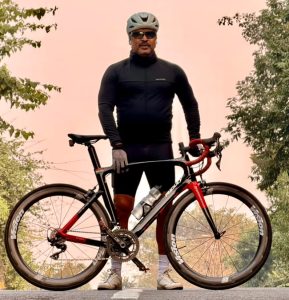 Cyclist Dipankar Sahu said rising fuel prices are prompting many families to rethink their daily commuting habits.
“A bicycle has virtually no running cost,” he says. “There is no fuel bill, no emissions and no dependence on fluctuating fuel prices. The solution has been in front of us all along,” he adds.
As Bhubaneswar confronts mounting transport costs and environmental challenges, cycling advocates argue that promoting bicycles is no longer merely an option but an urban necessity. They say the focus must now shift from discussion to action by creating the infrastructure and policy support needed to make cycling a safe and convenient choice for everyday travel.