SUMAN MOHANTY, OP
Nestled within a centuries-old bamboo forest, the Kantabaunsuni Devi shrine in Damanjodi of Koraput district stands as a striking symbol of the ancient tradition of nature worship deeply rooted in the region’s tribal and indigenous cultures. This unique, roofless shrine— where a sacred grove of bamboo itself is venerated—embodies a rare and profound form of deity, reflecting a spiritual connection between the community and the natural world.


The temple lies near Koraput–Damanjodi bypass road, close to the Damanjodi railway station, surrounded by nearly five acres of dense bamboo forests, offering a serene setting in the lap of nature. The deity known as the ‘Goddess of the Bamboo Forest’ is worshipped within a sacred bamboo grove without any traditional idols. These bamboos are revered as holy not only by the tribals but also worshipped by other people.
Like any other temple, there are no idols or temple structures here. There are no fences for these bamboos. Situated close to the NALCO township at Damanjodi, the shrine is regarded as one of the prominent Shaktipeeths in the district. The presence of the deity in the bamboo groves drive home the message that development (bauxite mining by NALCO) can co-exist with environment, which makes it a biodiversity hotspot and a powerful centre of faith for devotees who believe the deity fulfils their wishes. This bamboo forest in Damanjodi area is the main temple for the local indigenous tribes, where Devi Durga is said to have reincarnated herself.
Here, this worship began from the small village called Sindipar, where the goddess revealed herself. The name Kantabaunsuni means the Goddess residing in thorny bamboo groves. Local tribal communities and hill dwellers worship the goddess as an incarnation of Goddess Durga. According to their belief, offering prayers to the deity brings fulfilment of wishes such as marriage, childbirth and prosperity. Due to this belief, devotees not only from Koraput district but also from other regions and neighbouring states visit the shrine to seek the goddess’s blessings.
Unique feature of the roofless temple
The temple is an exception despite NALCO ushering in major developments in the Damanjodi area. This temple retains its primitive appearance, undisturbed by man’s interference. One needs to know that the tribes and others consider every bamboo in the forest a sacred sanctum of Goddess Durga. And the loosely dangling long bamboos in the bamboo bushes resembling swords are revered as Lord Shiva or lingam, the consort of Goddess Durga. The bamboos here were all formed on its own. There are no other bamboo trees in the entire Panchpatmali hill area. One of the distinctive features of the temple is that it has no roof. The idol of the goddess is installed under the open sky.
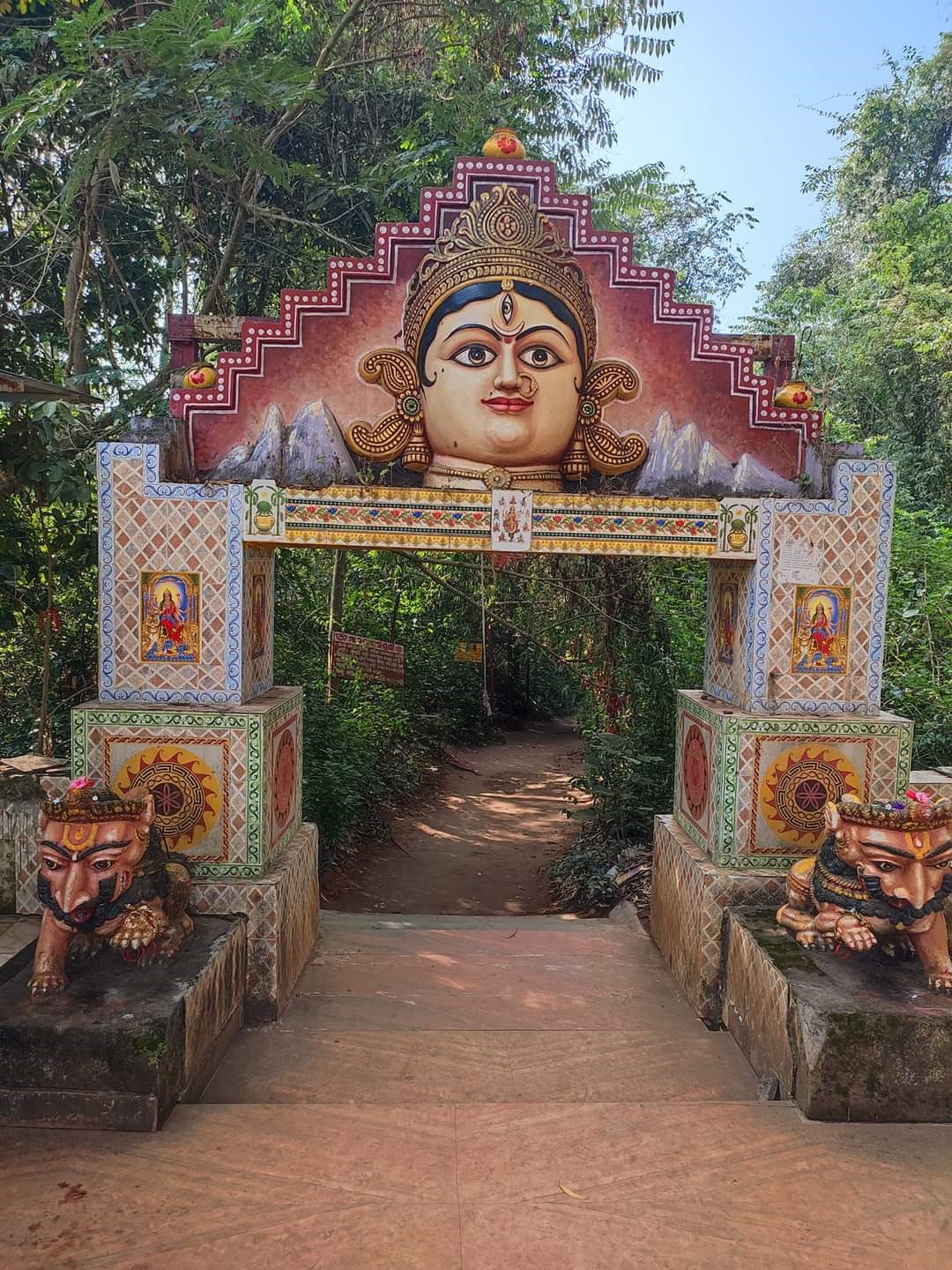
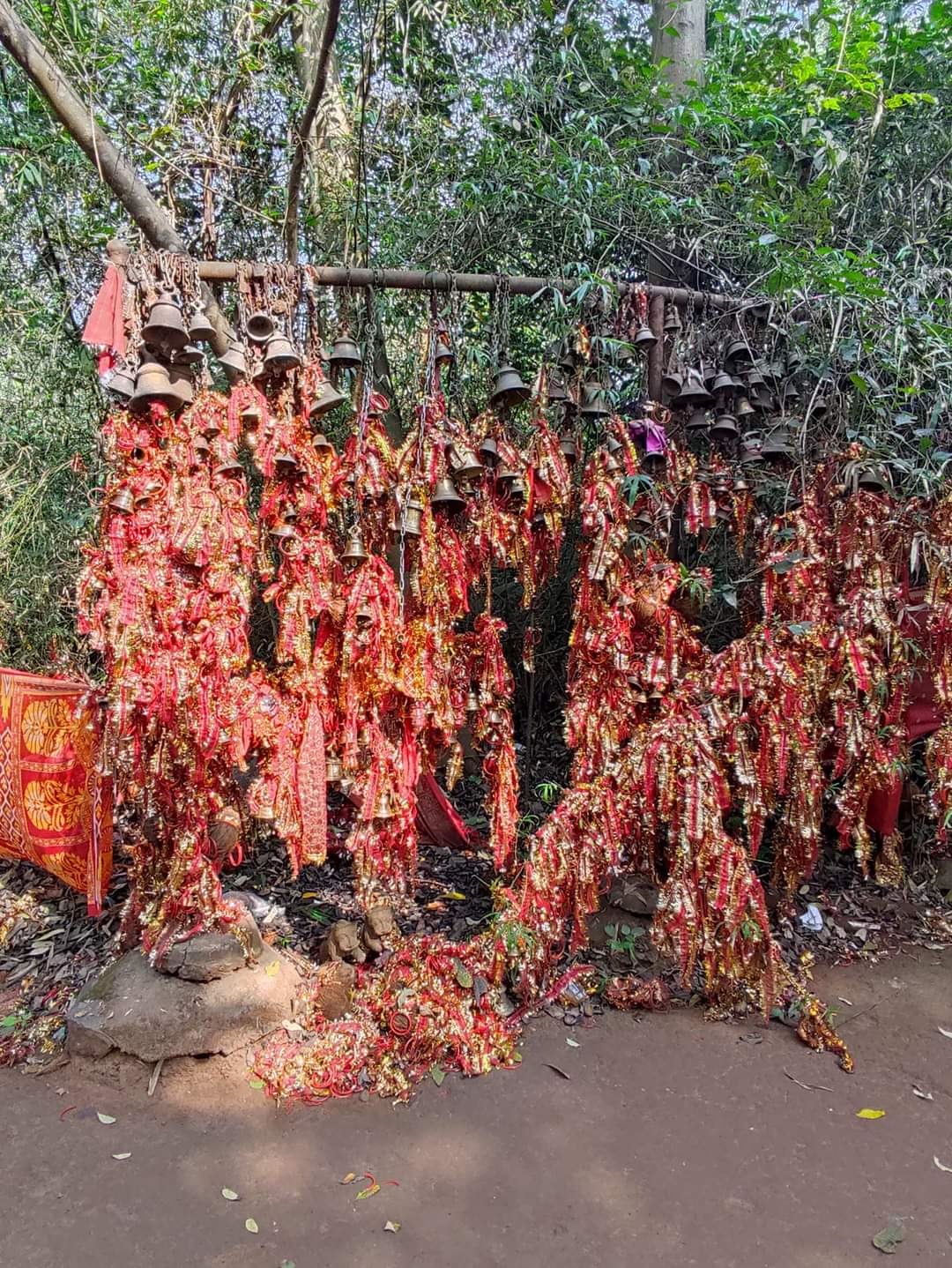
A large number of devotees visit the shrine every Tuesday and Saturday. Devotees offer lamps, incense sticks, sacred food, bangles, red cloth and bells while praying to the goddess for the fulfilment of their wishes. As part of a local tradition, devotees tied clothes and bells to bamboo clumps to seek the fulfilment of their wishes. To reach the temple, visitors have to pass through a narrow path surrounded by hundreds of bamboo clumps. Temple priest Arjun Dami said the goddess’s seat must remain within the bamboo grove and no major development work should be undertaken there. However, the temple management committee has arranged a gate outside and constructed a few rooms for visitors. Cutting bamboo in the area is strictly prohibited.
Pousha festival rush.
The annual festival of Goddess Kantabaunsuni is celebrated with great enthusiasm here on the last Tuesday of every Pousha month. Thousands of devotees from across the district, along with residents, participate in the celebration.
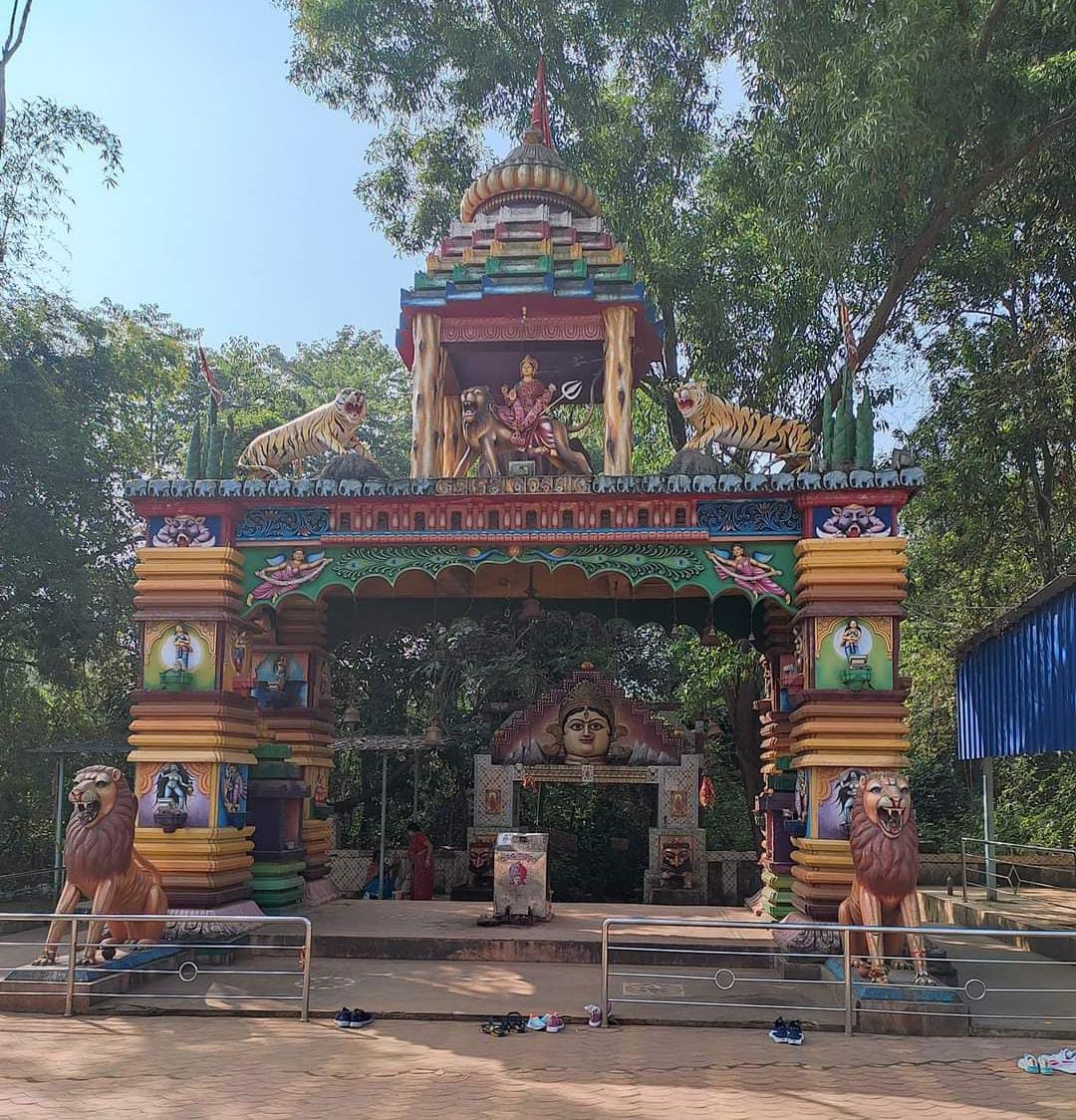
On the occasion, tribal devotees observe a fast and offer prasad to the goddess. The temple premises are beautifully decorated, and a fair along with cultural programmes is organised. A large fair continues throughout the night, drawing a huge gathering of devotees. Priest Jagannath Bodo Nayak said that for decades, Goddess Kantabaunsuni has been worshipped as a deity who fulfils the wishes of devotees. Members of Nayak family have traditionally served as priests at the shrine for generations.
WITH INPUTS FROM AMITABHA BEHERA, KORAPUT
Orissa POST – Odisha’s No.1 English Daily