
Thuamul Rampur: Kalahandi has become the centre of attention over massive industrialisation moves, official mining notifications, and growing tribal resistance for land rights.
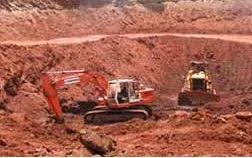
According to the State Department of Steel and Mines’ May 29 notification, the e-auction for the mining lease of the Karlapat Bauxite Block commenced June 1, with bids open until July 13. Simultaneously, mining allocations are underway for the Sijimali block, allotted to Vedanta Aluminium, and the Kutrumali block, allotted to Adani Group’s Kalinga Alumina. Because these resource-rich hills are primarily located in the Thuamul Rampur block, the moves have triggered severe local resentment.
While the raw minerals will be extracted from Kalahandi, the processing infrastructure is being heavily centralised in neighbouring Rayagada, where two mega alumina refineries are being fast-tracked.
As per reports, Vedanta is actively acquiring land across 12 villages in Kalyansinghpur tehsil, while the Adani Group is acquiring land across 13 villages in Kolnara tehsil alongside its allocation of the Balda mine in Koraput. Locals and intellectuals point out a stark economic disparity as no major refinery is being built within Kalahandi itself. While neighbouring districts will economically benefit from Kalahandi’s resources, the local tribal population faces displacement without sustainable livelihood alternatives. Experts argue that genuine development can only happen if permanent manufacturing plants are established directly within the Thuamul Rampur block, rather than relying on basic CSR initiatives or indirect employment.
Despite being a resource-rich belt, the 24 Gram Panchayats of Thuamul Rampur—especially the mining-affected pockets of Kutrumali, Sijimali, and Khandualmali—lack basic healthcare, education, and roads. Environmentalists warn that the ecological devastation will far outweigh corporate promises. Heavy excavation will permanently destroy perennial water streams, forests, and biodiversity, directly threatening indigenous tribal livelihoods.
The conflict is further complicated by opportunistic local politicians and vested interest groups who allegedly manipulate innocent villagers into anti-corporate protests, only to fall silent after striking lucrative backroom deals with mining companies. In the struggle to defend their homeland, several innocent villagers have faced legal charges and imprisonment. Analysts warn that if the state fails to balance mineral extraction with ecological preservation and genuine local infrastructure, this public agitation will inevitably intensify.