
By Arindam Ganguly, OP
Bhubaneswar: As the world prepares to observe Earth Day April 22 (Wednesday) with renewed focus on climate action and community-led sustainability, Bhubaneswar presents a dual narrative—visible progress in urban waste management on one hand and the persistent challenge of plastic pollution on the other. The City’s experience reflects a broader national and global struggle to translate environmental awareness into lasting behavioural change.
India remains a major contributor to plastic waste, generating an estimated 9.3 million tonnes annually—nearly one-fifth of global pollution. In Bhubaneswar, the problem is evident across streets, markets and drainage systems despite bans on single-use plastics. A 2026 study by Toxics Link found nearly 89% of surveyed locations in the City still use or sell banned plastic items.
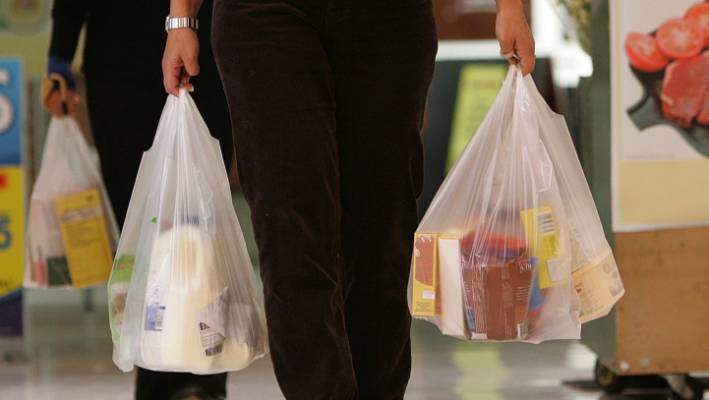
Bhubaneswar generates an estimated 45,000–50,000 tonnes of plastic waste each year, forming a significant share of over 900 tonnes of daily municipal solid waste. Thin carry bags, disposable cutlery and multilayer packaging remain widespread, often clogging drains or piling up at dumping sites like Daruthenga.
Despite repeated measures by the BMC, including regular raids and enforcement drives, residents and experts point to persistent gaps. Environmental expert JK Panigrahi said waste management in Bhubaneswar reflects a broader global challenge—partly effective but inconsistent. The City has improved systems through door-to-door collection, segregation drives, micro-composting centres and plastic bans, boosting recycling efficiency. However, he added that weak enforcement allows continued use of plastic and thermocol, which still form a major share of waste.
Naturalist Biswajeet Panda said waste management in Bhubaneswar has improved in awareness and systems, but implementation remains inconsistent. Door-to-door collection and segregation are positive steps, yet improper disposal and low public participation persist in several areas. He added that while bans on plastic and thermocol have raised awareness, their impact is limited due to weak enforcement and continued use. In many places, environmentally harmful materials are still used for plates, glasses, spoons and bowls.
Urban planner and city resident Piyush Ranjan Rout said Bhubaneswar has made notable progress, rising from 245th in Swachh Survekshan 2018 to ninth in 2024. However, despite improved systems like source segregation and door-to-door collection, ground realities differ, with midday garbage, illegal dumping and burning persisting, clogging drains and posing health risks.
Environmental advocate Satyabrata Samal stressed the need for practical solutions—affordable alternatives to plastic, stricter enforcement, and better support for small vendors transitioning away from single-use packaging.
Swikruti Mishra, a Bhubaneswar resident, said the government’s doorstep waste collection is a welcome step, ensuring waste is managed directly from homes. Residents only need to keep waste ready outside, though she added the service should be extended to all households across the City.
City-based environment expert Ranjan Panda said Bhubaneswar is doing relatively well in curbing plastic waste compared to other cities. He noted that while BMC is making sustained efforts, citizens must also remain cautious and ensure responsible disposal of plastic waste.
Additional Commissioner Kailash Das said steps are underway to make all marketplaces plastic-free, with alternative options being provided to traders and vendors. He added that initiatives are being launched to encourage startups and companies supplying eco-friendly alternatives to plastic bags.