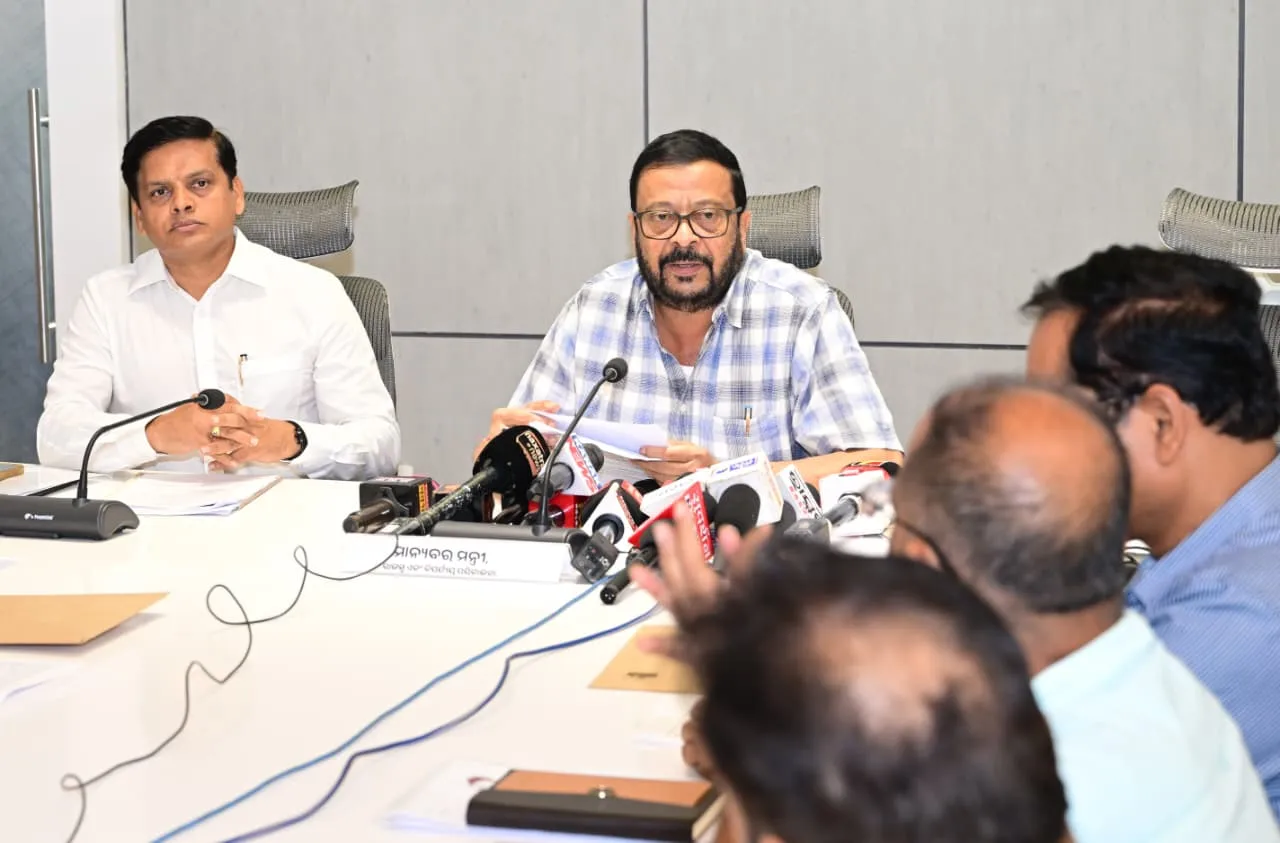
Puri: The second technical meeting of the BRICS Disaster Risk Reduction (DRR) Working Group began in Odisha’s Puri Wednesday, with deliberations focusing on disaster mitigation strategies across the 11-member bloc.
The three-day meeting, being hosted by the National Disaster Management Authority (NDMA), will continue till June 5. Odisha Chief Minister Mohan Charan Majhi is scheduled to attend the event Thursday.

According to the NDMA, discussions on the opening day covered themes such as Governance and Community-Based DRR, Multi-Hazard Early Warning and Risk Intelligence, and Resilient and Climate-Smart Infrastructure.
The session on early warning systems focused on strengthening multi-hazard forecasting mechanisms, enhancing risk intelligence and developing a BRICS-wide knowledge-sharing framework, with particular emphasis on flood risk management.
Another key discussion centred on policy frameworks for planning and developing climate-resilient, inclusive and sustainable urban infrastructure across BRICS nations.
The discussions emphasised the importance of integrating resilience, sustainability and climate adaptation into future infrastructure planning and development, the NDMA said in a social media post.
Odisha’s Special Relief Commissioner Rajesh Prabhakar Patil showcased the state’s disaster preparedness model, highlighting its robust early warning systems, community participation and widely acclaimed zero-casualty approach.
Odisha’s Disaster Management Minister Suresh Pujari said this is the first in-person technical meeting of the BRICS DRR Working Group under India’s BRICS Presidency.
The inaugural technical meeting was held virtually April 29 and 30, he noted.
Policymakers and disaster management experts from BRICS member and partner countries are participating in the event, which is being hosted in Odisha for the first time.
The minister said the discussions would also focus on sustainable financing for disaster risk reduction, resilient infrastructure, anticipatory response mechanisms and the integration of traditional knowledge into disaster resilience strategies.
Originally comprising Brazil, Russia, India, China and South Africa, BRICS expanded in 2024 to include Egypt, Ethiopia, Iran and United Arab Emirates, while Indonesia joined the grouping in 2025.
Ahead of the event, Majhi had described the meeting as a matter of pride for Odisha, saying it reflected growing international recognition of the state’s leadership in disaster preparedness and resilience.
Leader of Opposition Naveen Patnaik also welcomed the event, stating that Odisha’s internationally recognised disaster management model had transformed the state from a region vulnerable to natural calamities into a global example of disaster resilience.
Puri SP Prateek Singh said elaborate security arrangements had been made for the event, which is being attended by foreign delegates.
As part of the programme, delegates will witness a water-rescue demonstration by the Odisha Disaster Rapid Action Force (ODRAF) at Ramchandi and interact with trained community volunteers to observe Odisha’s best practices in coastal disaster preparedness and resilience.
The delegates are also scheduled to visit Konark Sun Temple, a UNESCO World Heritage Site, Thursday.