Odisha News, Odisha Latest news, Odisha Daily - OrissaPOST
  • Home
  • Trending
  • State
  • Metro
  • National
  • International
  • Business
  • Feature
  • Entertainment
  • Sports
  • More..
    • Odisha Special
    • Editorial
    • Opinion
    • Careers
    • Sci-Tech
    • Timeout
    • Horoscope
    • Today’s Pic
  • Video
  • Epaper
  • News in Odia
  • Home
  • Trending
  • State
  • Metro
  • National
  • International
  • Business
  • Feature
  • Entertainment
  • Sports
  • More..
    • Odisha Special
    • Editorial
    • Opinion
    • Careers
    • Sci-Tech
    • Timeout
    • Horoscope
    • Today’s Pic
  • Video
  • Epaper
  • News in Odia
No Result
View All Result
OrissaPOST - Odisha Latest news, English Daily -
No Result
View All Result

When policy risks outrunning reality

Updated: July 6th, 2026, 07:29 IST
in Opinion
0
Shivaji Sarkar

Shivaji Sarkar

Share on FacebookShare on TwitterShare on WhatsAppShare on Linkedin

Delhi’s proposed EV-only policy is driven by noble intentions, but the risks are becoming a classic case of policy outrunning reality. Cleaner air is an imperative. Yet mandating a single technology while sidelining viable alternatives is neither economically prudent nor environmentally comprehensive.

The policy effectively picks electric vehicles as the sole winner, ignoring India’s strengths in efficient internal combustion engines (ICE), hybrids, CNG, biofuels and other low-emission technologies. Governments should regulate emissions, not dictate technologies. Innovation thrives on competition, not monopoly. Battery import costs may surpass those of crude oil if EVs are imposed.

Also Read

Dhurjati Mukherjee

India needs to prepare beyond oil shocks

3 days ago
Lekha Rattanani

WE MUST SAVE SONAM

3 days ago

Vehicle technologies are evolving rapidly, with manufacturers investing in a range of solutions, including hybrids, cleaner ICE, biofuels, hydrogen and battery EVs Yet the Delhi policy appears to have summarily dismissed these alternatives in favour of a single technology. Critics may question whether such an approach reflects an undue influence of interests that favour battery EVs over competing technologies.

When governments become overly aligned with one industry or technology, the risk of policy misjudgement and unintended consequences inevitably increases. Affordability remains the biggest hurdle. EVs are still beyond the reach of millions of middle-class households, small businesses, taxi operators and delivery workers.

Battery replacement costs, uncertain resale values and dependence on imported lithium, cobalt and battery cells add to the financial burden. An EV-only policy risks replacing one form of dependence—imported crude oil—with another: imported battery technology and critical minerals.

While EVs eliminate tailpipe emissions, battery production is resource-intensive, and India still lacks a comprehensive system for recycling and safely disposing of millions of end-of-life batteries. Equally worrying is the premature abandonment of modern ICE technology. Today’s petrol and hybrid engines are cleaner, more fuel-efficient and supported by an extensive refuelling network. For vast sections of Indians, they remain the most practical and affordable mobility option. Eliminating them through regulation rather than market choice risks imposing unnecessary costs on consumers and businesses.

Delhi needs cleaner air. But it also needs policies grounded in affordability and technological realism. An EV-only mandate may appear ‘visionary’ today, but if implemented without adequate preparation, it could become an expensive policy mistake.

The emerging consensus is that the policy is premature, one-sided, economically costly and insufficiently technology-neutral—concerns voiced by mainstream newspapers, industry participants, legal analysts and transport experts alike.

India spent $134.7 billion on crude imports (2025-26) while current EVs comprise just 4% of vehicles ($3.9 billion). However, if EV sales hit 20%, battery and material imports could surge to $17.6 billion with additional hidden costs. If it is 100%, the cost may substantially go up.

Meanwhile, the solar sector drains $7 billion in forex annually, with $3.9 billion going to China alone. India also brings in smaller volumes from Vietnam, Hong Kong, Malaysia, and Singapore.

Forced vehicle suicides will punish businesses with higher costs. Delivery companies, taxi operators and small transport firms may be forced to replace vehicle fleets before the end of their economic life, increasing debt and reducing profitability – a second shock after mass scrapping. Consumers, in turn, may face higher transport and delivery costs. A more balanced approach would be market-driven adoption for a smoother and more sustainable transition than blanket restrictions. 

Delhi’s proposed EV-only policy raises a fundamental question: Is the government backing one technology at the expense of all others? Public policy should not prescribe a single winner. India remains heavily reliant on imports for lithium, cobalt and advanced battery technology, exposing consumers and manufacturers to global supply-chain disruptions and price volatility. Today’s clean transport solution could become tomorrow’s electronic waste problem and the overall environmental gains become less clear.

Most importantly, an EV-only policy risks excluding alternative technologies and future low-emission innovations. Technological progress is rarely linear. A stronger and more accurate argument is that ICE vehicles are more affordable to buy, more practical for many users, supported by an extensive refuelling network, quicker to refuel, and better suited to current Indian conditions. The goal should be clean mobility—not an exclusive commitment to one technology.

INFA

Orissa POST – Odisha’s No.1 English Daily
Tags: EV
ShareTweetSendShare
Suggest A Correction

Enter your email to get our daily news in your inbox.


OrissaPOST epaper Sunday POST OrissaPOST epaper

Click Here: Plastic Free Odisha

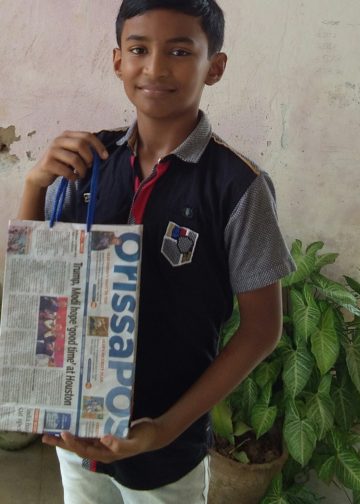
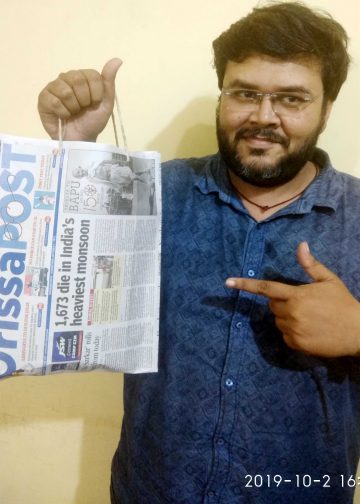
#MyPaperBagChallenge

Subhajyoti Mohanty

December 12, 2019
?????????????????????????????????????????????????????????????????????????????????????????????????????????????????????????????????
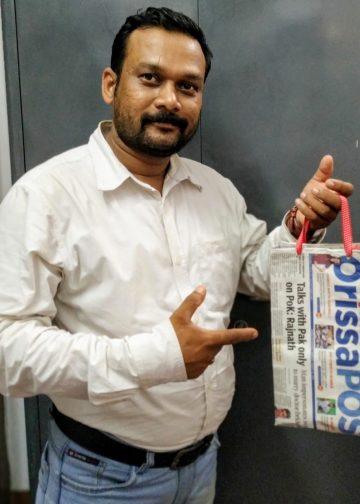
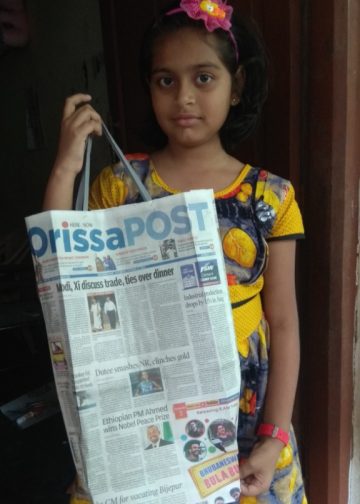
#MyPaperBagChallenge

Dibya Ranjan Das

December 12, 2019
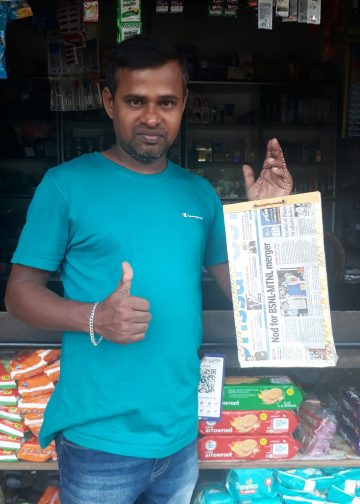
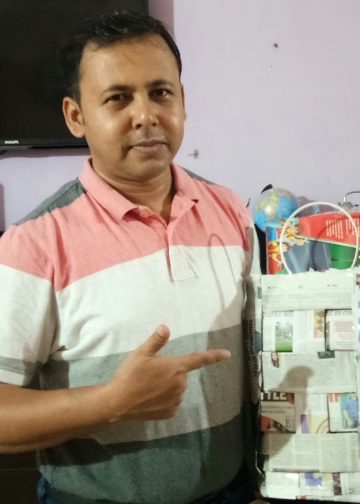
#MyPaperBagChallenge

Rajashree Pravati Mohanty

December 12, 2019
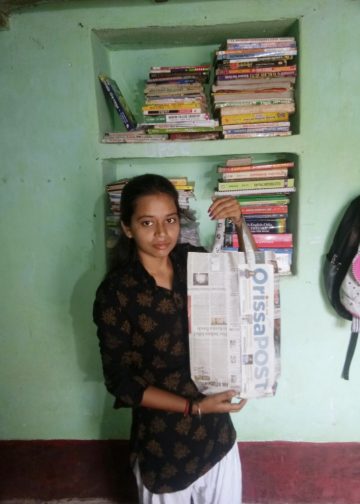
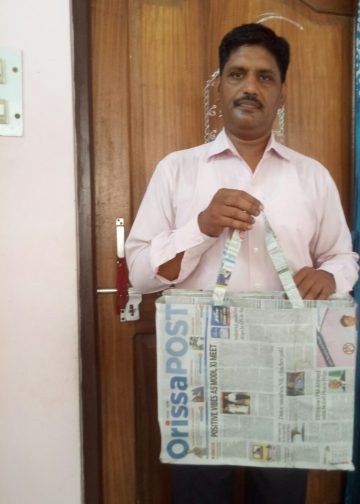
#MyPaperBagChallenge

Debasis Mohanty

December 12, 2019
#MyPaperBagChallenge

Lopali Pattnaik

December 12, 2019
#MyPaperBagChallenge

Amritansh Mishra

December 12, 2019
#MyPaperBagChallenge

Pratyasharani Ghibela

December 12, 2019
#MyPaperBagChallenge

Surya Sidhant Rath

December 12, 2019
#MyPaperBagChallenge

Bijswajit Pradhan

December 12, 2019
#MyPaperBagChallenge

Pratik Kumar Ghibela

December 12, 2019
#MyPaperBagChallenge

Priyabrata Mohanty

December 12, 2019
#MyPaperBagChallenge

Faiza Firdous

December 12, 2019
#MyPaperBagChallenge

Sipra Mishra

December 12, 2019
#MyPaperBagChallenge

Mrutyunjaya Behera

December 12, 2019
#MyPaperBagChallenge

Pragyan Priyambada

December 12, 2019
#MyPaperBagChallenge

Matrumangal Jena

December 12, 2019
#MyPaperBagChallenge

Shreyanshu Bal

December 12, 2019
#MyPaperBagChallenge

Jhili Jena

December 12, 2019
#MyPaperBagChallenge

Vandana Singh

December 12, 2019
#MyPaperBagChallenge

Chinmay Kumar Routray

December 12, 2019
#MyPaperBagChallenge

Aman Kumar Barisal

December 12, 2019
#MyPaperBagChallenge

Sitakanta Mohanty

December 12, 2019
#MyPaperBagChallenge

Ramakanta Sahoo

December 12, 2019
#MyPaperBagChallenge

Geetanjali Patro

December 12, 2019
#MyPaperBagChallenge

Narendra Kumar

December 12, 2019
#MyPaperBagChallenge

Sarmistha Nayak

December 12, 2019
#MyPaperBagChallenge

Akriti Negi

December 12, 2019
#MyPaperBagChallenge

Adyasha Priyadarsani Sendha

December 12, 2019
#MyPaperBagChallenge

Arya Ayushman

December 12, 2019
#MyPaperBagChallenge

Aishwarya Ranjan Mohanty

December 12, 2019

Archives

Editorial

Executive Accountability

Parliament
July 20, 2026

As Parliament prepares to convene for the Monsoon Session on Monday, 20 July, the Modi government stands accused of shrinking...

Read moreDetails

Power Fears Protest

July 19, 2026

By Aakar Patel A few thoughts on the Cockroach Janata Party’s protest come to mind. The hunger strike by activists,...

Read moreDetails

Law Vs Power

Power of Continuity
July 18, 2026

Governments are quick to invoke the rule of law but are less good at living by it. The Department of...

Read moreDetails

Bleak Economy

July 15, 2026

With the retail inflation in India climbing to 4.38 per cent, tell tale signs of the global economic crisis have...

Read moreDetails
  • Home
  • State
  • Metro
  • National
  • International
  • Business
  • Editorial
  • Opinion
  • Sports
  • About Us
  • Advertise
  • Contact Us
  • Jobs
Developed By Ratna Technology

© 2025 All rights Reserved by OrissaPOST

  • News in Odia
  • Orissa POST Epaper
  • Video
  • Home
  • Trending
  • Metro
  • State
  • Odisha Special
  • National
  • International
  • Sports
  • Business
  • Editorial
  • Entertainment
  • Horoscope
  • Careers
  • Feature
  • Today’s Pic
  • Opinion
  • Sci-Tech
  • About Us
  • Contact Us
  • Jobs

© 2025 All rights Reserved by OrissaPOST

    • News in Odia
    • Orissa POST Epaper
    • Video
    • Home
    • Trending
    • Metro
    • State
    • Odisha Special
    • National
    • International
    • Sports
    • Business
    • Editorial
    • Entertainment
    • Horoscope
    • Careers
    • Feature
    • Today’s Pic
    • Opinion
    • Sci-Tech
    • About Us
    • Contact Us
    • Jobs

    © 2025 All rights Reserved by OrissaPOST