Kendujhar: Tribal communities in Kendujhar have long depended on forests for their livelihood, collecting and selling traditional chew sticks in local and urban markets. However, environmentalists warn that the growing trade is contributing to the degradation of the district’s sal forests.
Hundreds of young sal saplings are reportedly cut every day to meet the demand for chew sticks. Although twigs from neem, karanja and other tree species are also used for oral hygiene, sal toothsticks remain the preferred choice among consumers.


Many elderly people continue to use them as a traditional alternative to toothbrushes, ensuring a steady market for the product.
What may appear to be a minor forest-based activity has become a matter of concern for conservationists.
The large-scale felling of young sal saplings for chew stick production is raising fears about the long-term depletion of forest resources.
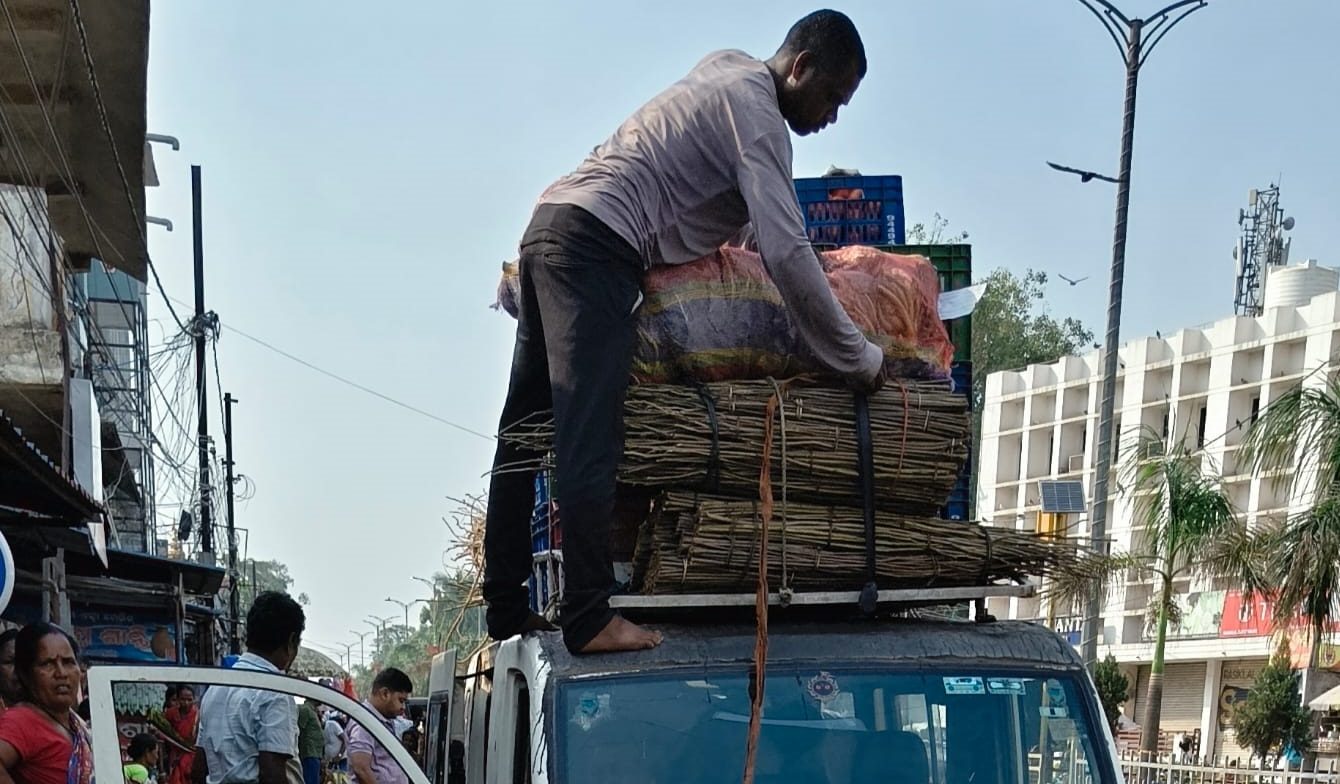
Bundles of chew sticks collected from forests are sold in local markets for about Rs 20 each.
Traders then trans port them to other districts and states, where they are sold at significantly higher prices.
The demand is particularly high at hotels, lodges, railway stations, bus terminals and public facilities, generating substantial prof its for traders and middlemen.
Environmentalists say the trade continues with little regulation. Despite the volume of business, there are reportedly no effective restrictions on the collection or transportation of chew sticks.
Bundles are routinely moved from Keonjhar to various destinations, often in broad daylight, with minimal enforcement.
Local residents and environmental activists have urged authorities to regulate the trade and protect forest resources from further depletion.
Sal forests are natural ecosystems that develop over decades.
However, due to various factors, including overexploitation, sal forests in Kendujhar are gradually declining.
While the Forest Department has undertaken plantation drives and raised saplings in nurseries, experts argue that artificial plantations cannot replace natural sal forests.
Environmental expert Bimbadhar Behera said protecting existing sal forests should be a priority because man-made plantations cannot replicate their ecological value.
He emphasised the need for public awareness campaigns to discourage the indiscriminate cutting of sal saplings and branches for chew sticks.
Senior citizen Ramesh Chandra Hota echoed the concern, calling on the Forest Department to educate people about the environmental consequences of excessive harvesting.
Although chew sticks are classified as minor forest produce and forest-dwelling communities have traditional rights over their collection, experts say sustainable harvesting practices and regulatory measures are essential to balance livelihoods with forest conservation.