
Bhubaneswar: Kitchen gardening has become increasingly popular due to rapid urbanisation, rising food prices, and growing awareness about healthy eating and environmental sustainability.
It is the practice of growing vegetables, fruits, herbs, flowering and medicinal plants in limited spaces such as balconies, terraces, rooftops, windowsills, or small backyards in cities.
An urban kitchen garden allows families to cultivate fresh, organic produce such as tomatoes, spinach, coriander, mint, chillies, brinjal and okra.
Many flowering plants are also grown in rooftop and balcony areas in a home.
These gardens can be developed using pots, grow bags, recycled containers, or vertical gardening techniques, making them suitable even for smaller apartments.
Compost prepared from kitchen waste serves as a natural fertiliser, reducing household waste and promoting eco-friendly practices.
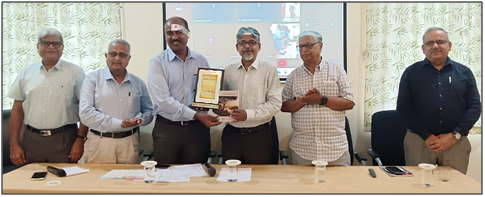
Thus, urban kitchen gardening is an effective solution for promoting sustainable living and the environment in Indian cities; experts expressed such an opinion in a seminar organised by the Orissa Environmental Society (OES) in its conference hall on the theme ‘Urban Rooftop Gardening’ Sunday.
It encourages self-reliance, environmental conservation, and healthier lifestyles while making productive use of small urban spaces.
Central Horticultural Experiment Station, Bhubaneswar, principal scientist P Srinivas joined as the chief speaker of the programme and explained numerous benefits of urban rooftop gardening.
“Rooftop gardening provides access to fresh and chemical-free vegetables, improves nutrition, and reduces dependence on market produce.
Practising gardening also enhances mental well-being by relieving stress, encouraging physical activity, and creating a closer connection with nature,” Srinivas said.
OES working president Jaya Krushna Panigrahi expressed that despite its advantages, urban kitchen gardening faces challenges such as limited space, irregular water supply, lack of sunlight in some apartments, and pest management.
However, these issues can be addressed through innovative methods like drip irrigation, vertical gardens, hydroponics, and proper planning.
OES president Sundara Narayana Patro opined that as more people adopt this practice, urban kitchen gardens can contribute to food security, waste reduction, and greener cities.
OES vice-president Bijay Ketan Patnaik highlighted how rooftop gardening activities can support biodiversity by attracting birds and pollinators.